Home/Choose the season that matches the trip you want
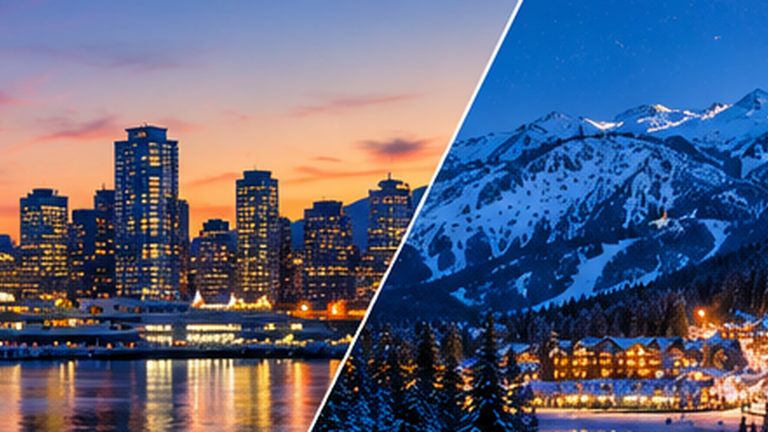
British Columbia mountain landscape across summer and winter seasons
Decision-first trip planning

Choose the season that matches the trip you want

There is no single best month. The right season depends on whether you want snow, alpine access, long daylight, quieter travel or the strongest city experience.

Reviewed September 2026

Vancouver and Whistler in contrasting city and winter conditions
At a glance

The four-season decision matrix

SeasonBest forWatch forPlanning move
Winter · Dec–MarSkiing, snow scenery, village atmosphere, city diningSnow/ice, shorter daylight, winter-driving requirements, peak datesBook mountain priorities first; keep the road day flexible and check DriveBC.
Spring · Apr–JunCity blooms, waterfalls, lower-elevation trails, mixed city/mountain tripAlpine snow can remain while Vancouver feels fully springlikeVerify mountain operating dates and trail conditions rather than assuming summer access.
Summer · Jul–SepHiking, biking, lakes, patios, long daylight, widest corridor choiceBusy weekends, parking pressure, popular trailheads, heat/smoke episodesReserve high-priority activities and start popular outdoor days early.
Fall · Oct–NovQuieter city, colour, food, lower crowds, moody coastShoulder-season maintenance, changing alpine access, winter tire rules beginning Oct. 1 on designated routesKeep the itinerary lower-elevation unless current mountain operations support more.
Season fit

Choose the season by the experience you actually want

WIN

Choose winter if the mountain is the reason for the trip

Whistler earns more nights when skiing or snowboarding is central. Vancouver becomes the easier arrival/departure buffer and a strong food, culture and weather-backup base.

  • Put ski days together rather than alternating city and mountain days.
  • Check road conditions on the travel day.
  • Do not assume a rental car is necessary once you are in the resort.
SPR

Choose spring for contrast

Spring can give you blossom-season Vancouver and snowy alpine scenery in the same trip. That contrast is appealing, but it makes elevation-aware planning essential.

  • Plan city and low-elevation days confidently.
  • Treat high-elevation hiking as conditions-dependent.
  • Use waterfalls and Squamish scenery as strong corridor anchors.
SUM

Choose summer for the widest menu

Long daylight makes the route forgiving and opens the broadest mix of hiking, biking, lakes and sightseeing.

  • Popular places can be busy long before sunset.
  • A single overnight in Squamish becomes more valuable for adventure-heavy trips.
  • Keep water, sun protection and a light layer even on warm days.
FALL

Choose fall for a slower, more atmospheric trip

Fall works especially well when dining, neighbourhoods, scenic driving and lower-elevation nature matter more than a full alpine activity list.

  • Check maintenance closures and reduced mountain operations.
  • Expect wetter coastal weather and pack for it.
  • From October, verify winter tire requirements for your route.
Elevation matters

What changes by elevation

Vancouver’s coastal conditions and Whistler’s alpine conditions are not interchangeable. A mild morning in the city can coexist with snow, wind or much colder temperatures at mountain elevation.

Build the packing list for the highest and most exposed part of the itinerary, not the hotel lobby. Waterproof footwear and a shell are useful across more months than many visitors expect.

Verify before you go

Official sources for changing details

Operating dates, road conditions, transit, parking, lift access and park information can change. Check current details before you commit the day.