
Protect naps and simple movement
Choose accommodation that makes it easy to return mid-day. Prioritize short walks, playgrounds, pools and attractions where a parent can leave early without losing a major prepaid experience.

A family itinerary works when the travel days, meal timing and backup plans are as thoughtful as the headline attractions.
Reviewed September 2026
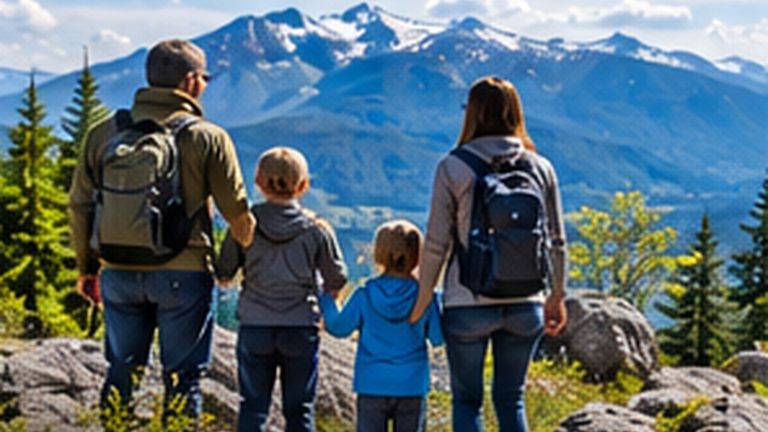
Families lose more time to transitions than adult couples: breakfast takes longer, weather changes need more clothing, washroom stops matter, and children rarely care that an attraction was supposed to take exactly 45 minutes.
Build the day around one anchor in the morning and one in the afternoon. Keep a park, playground, pool or short walk as the pressure-release option.
Use Stanley Park, Granville Island, beaches, Science World or a North Shore attraction depending on age and weather. Avoid crossing the city multiple times in one day.
Britannia Mine works especially well for families because it provides a structured attraction. Add Shannon Falls or the gondola only if energy and time support it.
Mix one mountain day with lakes, Valley Trail, cultural attractions, pool time and a flexible indoor option.
Choose accommodation that makes it easy to return mid-day. Prioritize short walks, playgrounds, pools and attractions where a parent can leave early without losing a major prepaid experience.
Britannia Mine, gondolas, easy trails, lakes and interactive cultural experiences tend to work better than long passive drives or restaurant-heavy days.
Bike park, zipline, rafting, climbing, shopping or a specific food stop can make the trip feel chosen rather than imposed. Build the rest of the day around that anchor.
Choose bases where one part of the group can rest, shop or have coffee while others take on a more active experience, then reunite for meals.
A corridor day works best when the major stop has something active or interactive. Britannia Mine is a natural family anchor because it includes an underground train/tour and exhibits. Shannon Falls is a short movement break. The gondola works when children enjoy the ride, bridge and summit space rather than simply posing at a viewpoint.
If the family reaches Squamish already tired, skip the second major attraction. Get lunch, continue to Whistler, and use the hotel pool or playground. The trip improves when you preserve energy for the destination.
Both can work. Village is easiest for a first visit and car-free convenience. Creekside can suit families who value a quieter base, lake access or a specific condo-style property. Compare the exact accommodation amenities.
The direct drive is manageable for many families, but sightseeing stops make it longer. Use one meaningful stop and one quick break rather than turning the route into a marathon.
Not automatically. Vancouver and central Whistler are both workable without one. A car is most useful when your family wants flexible corridor stops, trailheads or regional outings.
Hours, access, road conditions and operating details can change. Confirm the details that matter to your day before leaving.
Use the sample day plans to see how much fits without turning the trip into a checklist.